

When Conventional Treatment Reaches Its Limits
Many individuals facing chronic health conditions experience frustration when standard treatments provide limited relief. Zhimei’s experience illustrates this common pattern and her subsequent exploration of complementary approaches through qigong practice.
Initial Health Challenges
Surgical Recovery and Persistent Deficiency
Zhimei developed severe peritonitis requiring emergency surgery—a major medical intervention that significantly depleted her vitality. Following recovery, she sought traditional Chinese medicine consultation for persistent weakness.
The practitioner diagnosed qi deficiency based on pulse characteristics and prescribed herbal formulas specifically designed to tonify qi. Despite taking these medications consistently for an entire year, follow-up evaluations showed no improvement.
This lack of response to typically effective treatments proved deeply discouraging, raising concerns about whether her condition had become intractable.
Multiple Chronic Conditions
Beyond post-surgical weakness, Zhimei experienced several persistent health issues:
Meniere’s Disease
Diagnosed twenty years prior, this condition caused severe episodic vertigo with the characteristic sensation of the room spinning, accompanied by nausea. Work-related stress appeared to trigger episodes. Medication provided only sedative effects without addressing underlying causes, and the prospect of invasive cochlear testing created additional psychological burden.
Gastrointestinal Issues
Severe acid reflux disrupted sleep, requiring her to wake multiple times nightly to drink water.
Dermatological Concerns
Recurrent shingles and winter hand dermatitis with peeling and cracking skin affected quality of life.
Musculoskeletal Tension
Chronic occupational strain created severe stiffness in shoulders, neck, and upper back. Regular massage therapy was necessary to maintain basic mobility, with therapists noting tissue quality comparable to rigid metal.
This constellation of conditions—affecting neurological, gastrointestinal, dermatological, and musculoskeletal systems—suggested systemic imbalance rather than isolated problems.
Introduction to Qigong Practice
Initial Exposure
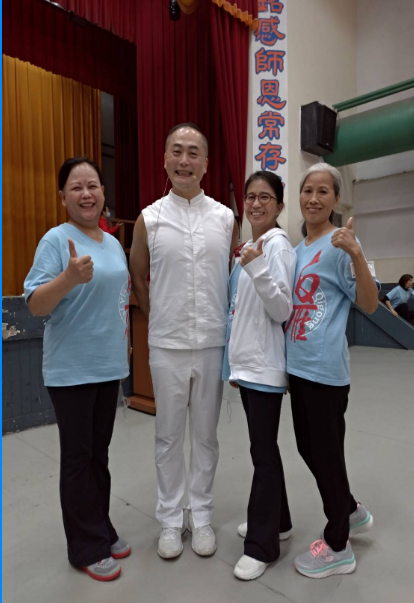
A concerned friend introduced Zhimei to Master Yin Quan’s Palm Trembling technique, initially through televised health programming. Subsequently, she attended an introductory seminar where physical assessment revealed significant bodily stiffness.
Observing demonstrations of EnerQi Dayan challenged her preconceptions about qigong as exclusively geriatric exercise. The aesthetic and fluid quality of the movements suggested possibilities beyond her expectations.
Beginning Practice
Zhimei enrolled in instruction and began learning the HarmonyQi technique while continuing her herbal medication. When she returned for medical follow-up, her traditional Chinese medicine practitioner finally noted improvement—the first positive feedback after a year of unsuccessful treatment.
Progressive Improvements
Early Physical Changes
Initial practice produced observable effects:
- Improved facial complexion with increased color
- Better overall appearance
- Gradual increase in comfort during practice
Recalling traditional teaching that “a deficient body cannot absorb tonics,” she discontinued qi-tonifying herbs and focused on intensive practice. Her subjective experience suggested her body was responding to movement-based cultivation in ways it hadn’t to supplementation.
Resolution of Long-Standing Issues
Vertigo Relief
The Meniere’s disease that had plagued her for two decades showed substantial improvement. The characteristic vertigo episodes that had previously required sedative medication decreased significantly.
Musculoskeletal Changes
Through repeated practice of Palm Trembling and other techniques, she noticed reduction of a palpable accumulation at the Dazhui acupoint (located at the base of the neck). As this area released, shoulder and neck mobility improved markedly. She discontinued massage therapy, no longer requiring external intervention to maintain function.
Sleep Quality
After approximately four months of practicing HarmonyQi three times daily (morning, afternoon, and evening), she achieved consolidated sleep throughout the night without the frequent wakings that had characterized her previous pattern.
Advanced Practice and Additional Benefits
Systematic Progression
Zhimei completed systematic training through six levels, including EnerQi Dayan and YoungQi Rejuvenation techniques. She later studied Sound Healing and Pigu (fasting) practices.
Dermatological Improvements
The chronic winter hand dermatitis that had caused peeling and cracking resolved. She noted smoother, more supple skin quality on both hands and face.
Psychological Effects
Learning LotusQi Heart Nourishing Technique produced notable effects on mental state. She describes experiencing genuine relaxation for the first time and achieving calmer, clearer mental function. Sleep quality improved further, with reduction in anxiety and restlessness.
Unexpected Observations
Hair Repigmentation
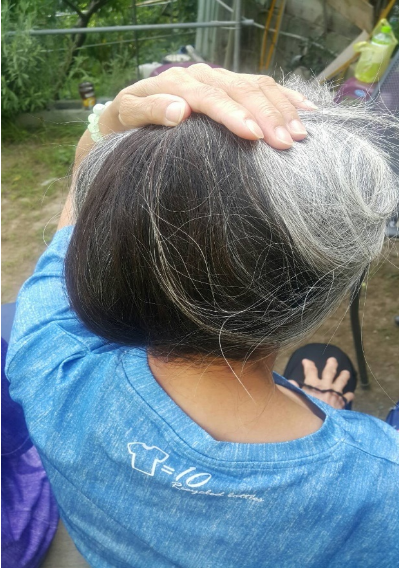
Zhimei had experienced premature graying affecting the crown of her head for twenty years. After practicing YoungQi Rejuvenation for over a month, family members noticed black hair gradually returning in previously white areas.
This observation challenged her assumption that graying was purely genetic, suggesting instead a relationship to systemic vitality and the effects of chronic stress and fatigue on aging processes.
Facial Pigmentation
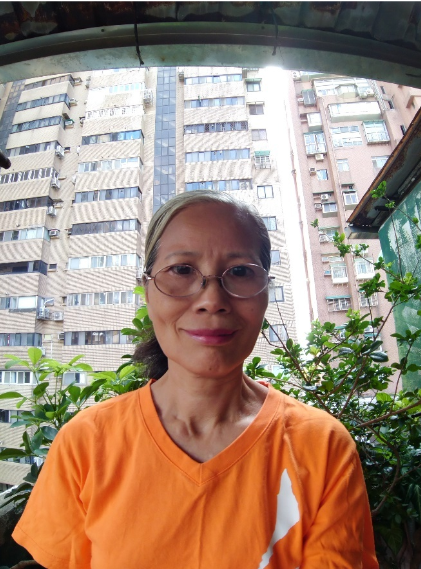
Age spots and hyperpigmentation gradually faded with continued practice—changes she attributed to improved internal function manifesting externally.
Understanding the Palm Trembling Technique
Mechanism and Application
The Palm Trembling practice that proved particularly beneficial for Zhimei involves specific hand movements designed to promote qi circulation. The technique targets areas of stagnation, potentially explaining its effectiveness for her neck and shoulder accumulation.
Traditional theory suggests that trembling movements generate vibration that penetrates tissues, releasing stagnation and promoting flow through meridian pathways. The technique’s simplicity belies its potential effects when practiced consistently.
Integration with Other Practices
Zhimei emphasized that different qigong methods complemented each other:
- HarmonyQi for foundational circulation and stress relief
- EnerQi Dayan for systematic qi cultivation
- YoungQi Rejuvenation for hormonal balance and vitality
- LotusQi for mental-emotional regulation
- Sound Healing and Pigu for specific therapeutic effects
This multi-method approach addresses different dimensions of health, potentially explaining the comprehensive improvements she experienced.
Long-Term Practice and Community Engagement
Sustaining Motivation
After three years of consistent practice, Zhimei remained engaged through:
- Perceivable ongoing benefits
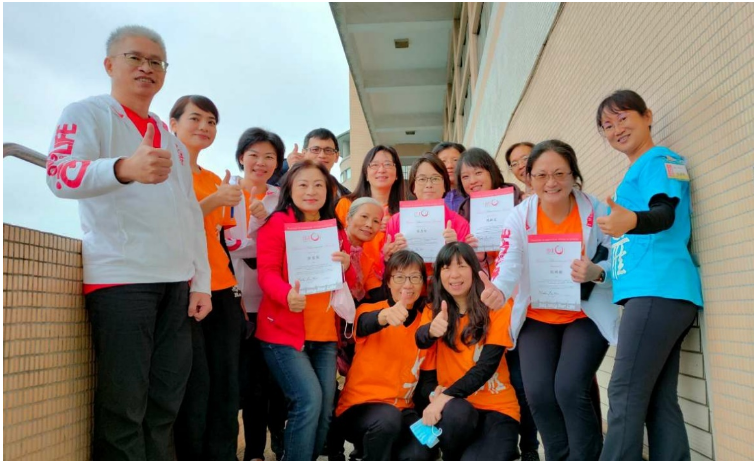
- Social connection through practice community
- Opportunities to serve as volunteer, supporting new students
- Continuous learning through training and skill development
The Role of Gratitude and Service
Her response to improved health included desire to help others access similar benefits. Volunteering in the qigong community provided both purpose and social connection, transforming practice from individual health maintenance into communal engagement.
This shift from recipient to contributor appears to have reinforced her commitment while providing meaningful structure beyond personal benefit.
Practical Insights
Time Investment
Zhimei emphasizes that relatively brief daily practice (10 minutes minimum) can yield substantial benefits when maintained consistently. This modest time requirement removes common barriers to regular practice.
Patience and Persistence
Significant improvements emerged over months to years rather than immediately. Sleep consolidation required four months of three-times-daily practice. Hair repigmentation appeared after a month of specific techniques. Full systematic training extended over three years.
This temporal pattern suggests that cultivation practices work gradually, requiring sustained commitment rather than producing rapid transformation.
Individual Responsiveness
Zhimei’s poor response to herbal qi tonics contrasted with her positive response to movement-based practices, illustrating how individuals may respond differently to various interventions. Finding an appropriate match between person and method appears crucial.
Clinical and Practical Considerations
Complementary Approach
Zhimei initially combined qigong with continued medical treatment, discontinuing herbs only after experiencing clear improvement. This integrative approach allowed her to maintain conventional support while exploring complementary methods.
Medical Monitoring
Her traditional Chinese medicine practitioner provided ongoing assessment, confirming objective improvement. This professional oversight ensured that her self-directed practice produced measurable benefits rather than simply subjective impressions.
Multisystem Benefits
The range of improvements—neurological (vertigo), gastrointestinal (reflux), dermatological (skin quality), musculoskeletal (neck/shoulder), psychological (anxiety, sleep), and even cosmetic (hair color, skin pigmentation)—suggests systemic rather than symptom-specific effects.
Conclusion
Zhimei’s three-year journey illustrates how consistent qigong practice may benefit individuals with multiple chronic conditions that respond poorly to conventional interventions. Her experience demonstrates:
- Gradual, cumulative improvements across multiple health domains
- The importance of finding practices that resonate personally
- Value of community support in sustaining long-term practice
- Potential for movement-based cultivation to address systemic imbalance
While her results are individual and cannot be generalized, her account provides insight into how traditional cultivation practices may complement conventional medicine for chronic conditions characterized by systemic deficiency or stagnation.
For those facing similar challenges—multiple chronic symptoms, poor treatment response, or systemic imbalance—exploring qigong under qualified instruction may offer additional tools for health restoration. The key appears to be patient, consistent practice over extended periods, with realistic expectations about gradual rather than immediate transformation.
This article shares one individual’s experience with qigong practice and should not be construed as medical advice or typical results. Chronic health conditions require proper medical diagnosis and monitoring. Those considering qigong should consult healthcare providers and seek qualified instruction. Individual outcomes vary significantly.
