

Menopause is not just a sign of the end of menstruation but a period of fluctuating hormones. This not only affects mood but also has profound effects on the heart, bones, and muscles. Let's follow Master Bai Yin to understand the internal changes of menopause beyond what meets the eye
Menopause brings about fluctuating hormone levels
Some might wonder if men experience menopause. Actually, they do, though it might extend longer and some men may experience it into their 60s. Men’s menopause is less noticeable compared to women’s, primarily because menstruation is a significant indicator. Therefore, don’t assume that men don’t experience menopause; they just go through it on a different timeline.
During this period, the changes in female hormones can be significant, impacting both mood and physical health. Although men experience fewer noticeable changes and their menopause period is longer, they also go through a decline in hormone levels.
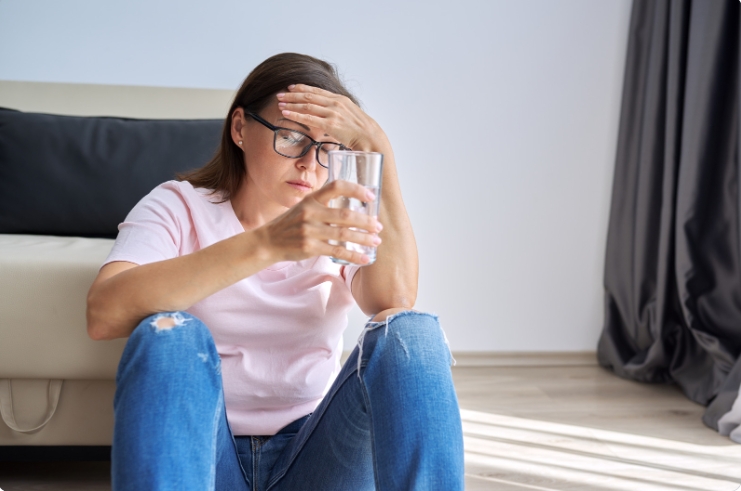
Student Xiaofang shares:
"My husband became suddenly very irritable in his 60s, and that's when I realized that men also go through menopause."
The Importance of Subtle Substances: It’s More Than Just the End of Menstruation
Master Bai Yin mentioned that there is a crucial subtle substance in our bodies: hormones. Women are hormone-driven beings, and menopause signifies the gradual decline of ovarian function and a reduction in hormone secretion.
Subtle substances mean that although they are present in small amounts, they are crucial for regulating the function of our organs. When these subtle substances decrease, our organs are affected, particularly the heart, bone density, and muscles.
What Effects Does Menopause Have on the Body?
Heart Health
Hormones act as "helpers" for the heart. Menopause leads to a reduction in hormone levels, which has a significant impact on heart health. Many women experience symptoms such as irregular heartbeats and palpitations during menopause. This is because hormones play a crucial role in maintaining the elasticity and blood flow of the heart. When hormone levels decrease, the heart's normal function can be affected.
Student Lin mentioned:
"After menopause, I often experienced palpitations, and it turns out it was due to hormonal imbalances. Tests didn't show any issues with my heart."
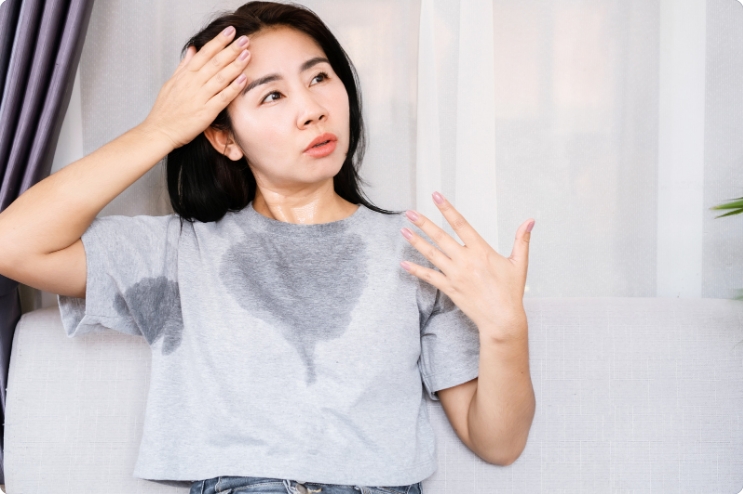
Worsening of High Blood Pressure, High Blood Sugar, and High Cholesterol
"It’s Not Just Hot Flashes and Irritability—There Are Also Symptoms of the 'Three Highs'!
Traditionally, menopause is often associated with hot flashes, irritability, insomnia, and other issues. However, it's also important to pay attention to its effects on cardiovascular health. Many women start to experience symptoms of high blood pressure, high cholesterol, and high blood sugar after menopause. This is actually due to the decline in hormones, which leads to a loss of endocrine regulation."
Osteoporosis and Muscle Loss
Ovarian Aging Can Lead to Bone Loss and Muscle Weakness.
After menopause, the gradual decline of ovarian function negatively impacts bone density and muscle strength. Women may experience reduced bone density, decreased muscle strength, and diminished muscle elasticity. As a result, tasks that were previously easy, such as lifting heavy objects or carrying things, can become challenging.
Miss Wang mentioned:
"I feel very tired lately when lifting things. It seems like my strength is suddenly insufficient, and I’ve also started to easily strain my muscles."
How to Thrive and Stay Energetic During Menopause?
1. Practice YoungQi Rejuvenation Technique
Engage in exercises that strengthen your back and shoulders to prevent spinal curvature and knee injuries. Qigong, with its gentle and effortless movements, is suitable for women undergoing menopause.
Student Zhang shares:
"After incorporating Qigong into my routine, my back and waist pain has diminished considerably, and I feel much more vibrant!"

2. Increased Physical Fitness
After menopause, a decrease in physical activity is like a form of chronic self-neglect. Qigong is the least strenuous exercise and is suitable for all ages.
Student Chen believes: “Qigong is the best exercise for a smooth transition through menopause! Even at 60 years old, I still practice every day, and my health is excellent.'"
3. Importance of Diet
Food provides the various trace nutrients that the body needs and can help maintain hormonal balance. It is advisable to reduce sugar and salt intake and to eat more dark green vegetables and fruits.
Conclusion: Menopause is a Crucial Stage in Women’s Health
Unveiling the Mysteries of Menopause, we discover that it is not merely a symbol of the end of menstruation but a challenge of hormonal transformation. Women at this stage require more attention and understanding, not just for physical changes but also for psychological and emotional support. Let us face menopause together and live a healthy, confident life!
Menopause FAQ
Menopause is not just the cessation of menstruation; it is a process of overall hormonal fluctuation. From the onset of irregular periods to the eventual complete cessation, this entire phase is considered menopause.
Yes, men do experience a form of menopause, but it tends to occur over a longer period, often extending into their 60s. It is usually less noticeable than in women.
No, it is not necessarily a sign of heart problems. It is due to the reduction in hormones and the resulting decline in heart function.
Yes, hormonal imbalances can lead to high blood pressure, high cholesterol, and high blood sugar.
Very suitable! Qigong is gentle, effective, and requires little effort.
