

When Conventional Approaches Reach Their Limits
For many individuals facing recurrent health challenges, the cycle of treatments, procedures, and temporary improvements can feel endless. Uterine fibroids represent one such condition—benign growths that frequently return even after surgical removal, creating a pattern of repeated interventions without lasting resolution.
Jingjia, a former English teacher, experienced this frustrating cycle firsthand. Despite regular exercise, both traditional Chinese medicine and Western medical treatments, and multiple surgeries, her condition persisted. Facing this reality, she decided to explore an alternative approach: qigong practice.
Initial Health Challenges
Physical Symptoms
Jingjia’s teaching career required extensive speaking, which increasingly taxed her diminished energy reserves. She experienced persistent shortness of breath and low vitality—symptoms that intensified following her most recent surgery.
Her health challenges included:
• Chronic poor sleep quality
• Anemia with hemoglobin levels around 7 (significantly below the standard level of 12)
• Excessive blood loss leading to tachycardia
• Breathlessness during minimal physical activity
• Heat sensations and sweating initially mistaken for menopause
Despite iron supplementation, her condition remained compromised. The blood deficiency created systemic imbalance affecting multiple organ systems, manifesting in night sweats and sleep disturbances that perpetuated the cycle of poor health.
Beginning with HarmonyQi
Immediate Response
After her final surgery, Jingjia enrolled in the HarmonyQi Stress-Relief course. The response was notable: following her first session, she felt sleepy by 8–9 PM—an unusual occurrence that surprised even her husband.
Body Awareness
During practice, she noticed distinct temperature variations throughout her body—warmth in her extremities contrasting with coldness around the uterine area. This awareness led her instructor to recommend specific rejuvenation exercises.
Through the practice, Jingjia identified multiple imbalances: qi deficiency, qi blockage, and qi reversal. This recognition brought both understanding of her condition’s severity and hope for a new approach to healing.
LotusQi: Cultivating Mental Composure
Adapting to Challenges
The pandemic shifted many classes online, presenting new obstacles. Internet connectivity issues during sessions could have been frustrating, but her instructor reframed these interruptions as opportunities for mental training—chances to practice maintaining inner calm regardless of external circumstances.
Inner Development
LotusQi practice emphasizes cultivating one’s inner nature. Jingjia adopted the practice of visualizing herself as a pure lotus flower whenever she felt restless—an image that became a touchstone for mental clarity and emotional balance throughout her journey.
EnerQi Dayan and Five-Elements Practice
Physical Discovery
Initial practice sessions revealed issues Jingjia hadn’t fully recognized. Certain movements produced knee weakness and soreness, indicating underlying physical imbalances that required attention.
Gradual Improvement
Her qi deficiency began improving through consistent EnerQi practice. The Five-Elements exercises helped her identify kidney weakness as her most compromised organ system—explaining her chronic lower back discomfort and other symptoms.
During the Tiger form practice, she expelled significant amounts of phlegm, revealing that her lungs were weaker than she’d realized. This release process, possibly related to the effects of full-body anesthesia from previous surgeries, took approximately two weeks to complete.
Measurable Changes
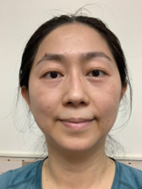
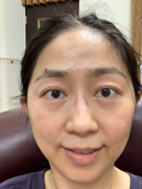
After completing the EnerQi course, visible improvements emerged. Her complexion brightened noticeably. Following Five-Elements practice, her hemoglobin levels rose from just over 7 to over 10 by April 2021—still below the standard of 12, but representing significant progress. Even her lip color improved, reflecting better blood quality.

YoungQi Rejuvenation and Fibroid Response
Unexpected Developments
During YoungQi Rejuvenation practice, Jingjia noticed slight bleeding after her menstrual period had ended. She later understood this as a cleansing process—the uterus releasing residual matter.
Clinical Confirmation
After completing beginner-level YoungQi practice, an ultrasound revealed that her three fibroids, previously measuring around 4 centimeters each, had decreased in size.
This finding was significant. Unlike her previous experience where fibroids recurred even after removal of a 13-centimeter growth, the qigong approach appeared to facilitate actual reduction without surgical intervention.
Systemic Health Improvements
Understanding Interconnections
Traditional Chinese medicine consultation helped Jingjia understand the broader implications of her blood deficiency. Insufficient blood affected sleep quality and contributed to tinnitus—symptoms she hadn’t connected to anemia. The poor sleep further impaired liver function, including blood production, creating a self-reinforcing cycle of declining health.
Current Status
While she still experiences some dreaming during sleep, this represents substantial improvement compared to her previous state of insomnia accompanied by heavy sweating. The gradual enhancement of sleep quality supports overall recovery.
Kidney Energy and Related Symptoms
Her kidney energy deficiency had manifested as tinnitus and occasional difficulty hearing clearly—symptoms that began improving with consistent practice targeting this organ system.
Family Recognition and Support
Jingjia’s husband, who had accompanied her through multiple surgeries, expressed surprise at the fibroid reduction. Having witnessed the recurrence pattern after previous surgical removals, he found the reversal through non-invasive practice remarkable.
Her family now encourages her continued practice, recognizing the transformative effects on her health and wellbeing. As she becomes progressively healthier, she anticipates this visible change will further validate her chosen approach.
The Role of Consistent Practice
Jingjia emphasizes that all improvements resulted from daily practice accumulated gradually over time. Her experience demonstrates that serious, regular commitment produces tangible physiological responses.
The return of her natural smile reflects this comprehensive transformation. When health is restored, genuine joy emerges spontaneously—a natural expression rather than forced optimism.
Guidance for New Practitioners
Remembering Purpose
For those beginning qigong practice, particularly with health challenges as motivation, Jingjia offers direct counsel: maintain connection to your initial reason for starting.
Navigating Difficulties
The practice journey inevitably includes challenging periods when progress seems impossible. During these times, seeking support from instructors or peer groups provides essential guidance through obstacles.
The Choice Between Easy and Meaningful
While discontinuing practice is always simpler than persisting through difficulty, pushing through bottlenecks opens new perspectives and possibilities. Breaking through limitation reveals broader horizons—both in practice and in health outcomes.
Concluding Perspective
Jingjia’s journey illustrates how chronic health conditions that resist conventional treatment may respond to comprehensive mind-body approaches. Her experience with qigong demonstrates potential for conditions like uterine fibroids to improve without additional surgical intervention when addressed through consistent, properly guided practice.
Individual results naturally vary, and qigong should complement rather than replace appropriate medical care. However, for those facing recurrent health challenges with limited conventional options, exploring integrative approaches may offer new pathways toward wellness.
This article shares one individual’s personal experience with qigong practice and should not be construed as medical advice. Uterine fibroids and related conditions require proper medical diagnosis and monitoring. Those considering qigong for health conditions should consult healthcare providers and seek qualified instruction.
