

From cardiac arrhythmia and atrial fibrillation to a normal heartbeat—a remarkable two-year recovery
Yifang spent years trapped in what seemed like an unsolvable medical condition. Cardiac arrhythmia. Atrial fibrillation. Heart palpitations. Chest tightness. A sensation of someone squeezing her throat.
She tried everything modern medicine offered. Multiple medications, each with significant side effects. Two cardiac ablation surgeries. Yet nothing truly solved the problem.
Then, remarkably, her cardiologist recommended something unexpected: Qigong.
Two years later, her heart returned to a normal rhythm. The chronic shoulder and neck pain that plagued her for years vanished. And her perspective on health—and life—completely transformed.
When a Heart Becomes a “Weather Station”
Yifang’s cardiac problems began at age 46. What started as occasional heart palpitations under stress gradually worsened.
A health screening in her younger years had already revealed ECG abnormalities, but without symptoms she’d dismissed it. As work stress increased in middle age, the condition became serious. Her heart would skip beats frequently, and whenever she felt nervous or stressed, the palpitations intensified.
Fifteen years ago, she visited a cardiologist. To her surprise, the doctor suggested something unusual:
“Consider learning Qigong.”
Yifang was astonished. A cardiologist—someone relying on scientific evidence and modern medicine—was recommending an ancient Chinese practice. At the time, she didn’t take the advice seriously. She simply filed it away in the back of her mind.
Six years later, doctors discovered she had four different types of cardiac arrhythmia, the most serious being atrial fibrillation. She underwent two cardiac ablation procedures.
The surgeries were successful, but afterward her heart seemed to become a “weather station.” Whenever the weather changed—approaching typhoons, hot humid days, temperature shifts—her symptoms would temporarily return.
She tried every available medication for cardiac arrhythmia. Each one caused significant side effects. When symptoms flared up, she had no medication she could safely take.
Her worry deepened. Atrial fibrillation increases stroke risk as people age. Would her condition continue to worsen? Would she be trapped in this unpredictable cycle indefinitely?
The Recommendation Remembered
Fifteen years after her cardiologist’s suggestion, Yifang remembered that advice about Qigong. Perhaps, she thought, it was worth trying.
By chance, during a gathering, her longtime colleague Jiaming recommended Bai Yin Qigong, specifically emphasizing that this was not ordinary Qigong, but “contemporary” Qigong. Those two words caught her attention immediately.
Contemporary Qigong. Stylish, modern, effective—not some ancient dusty practice, but something relevant to today’s life.
In 2021, with modest expectations of simply giving it a try, she began learning the HarmonyQi Stress Relief Method.
To her surprise, after just one week of practice, her chronically stiff neck on the right side began to move freely again. The pain and stiffness in her shoulders and neck gradually disappeared without her even noticing.
The remarkable results thrilled her. She immediately enrolled in more advanced courses.

Persistence Without Expectations
Yifang focused on learning the intermediate EnerQi techniques, The Five Elements, and paid particular attention to practicing the Crane Form. She practiced at least five days a week, and no matter how she combined different techniques, she always included the Crane Form.
After so many years of living with her heart condition, she had low expectations for improvement. Instead, she treated Qigong as a form of exercise—a discipline she committed to daily.
She laughed about her approach:
“I’ve had this condition for so many years. It’s impossible for it to improve overnight. So I simply treat it as exercise and keep practicing. That’s all there is to it!”
This mindset—persistence without attachment to specific outcomes—became her strength.
The Weather Station Finally Went Silent
Then, last summer, something remarkable happened.
She realized that her “weather station,” which used to react whenever weather patterns changed, had finally gone quiet. From that point onward, regardless of approaching typhoons or hot, humid weather, her heart condition never flared up again.
Two years of consistent practice. One dramatic result: her heart returned to normal rhythm.
The improvement wasn’t sudden or dramatic in the moment. It came quietly, almost unnoticed, until she realized it had been weeks—then months—since her last episode.
More Than Just Physical Health
Practicing Qigong didn’t only help Yifang regain her heart health. It taught her how to genuinely relax—something she hadn’t experienced in years working in the high-pressure financial industry.
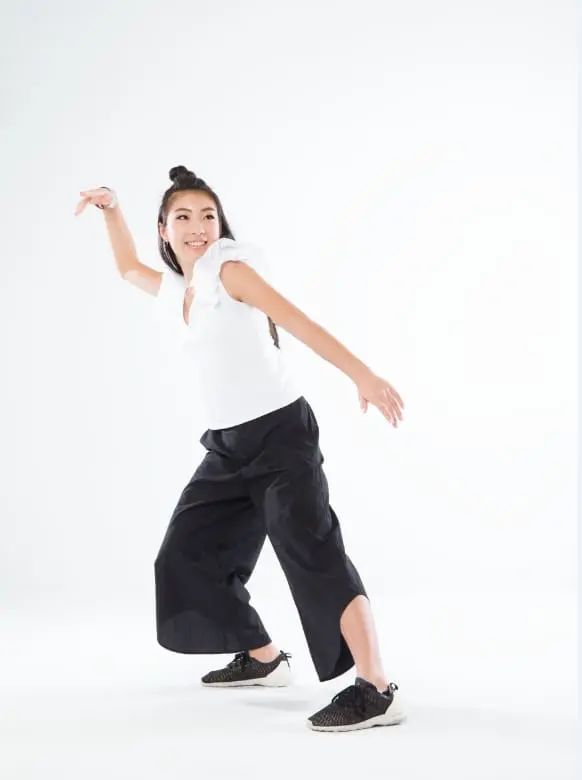
Her favorite practice is YoungQi Rejuvenation, especially the Dragon Sea Explorer Technique for Bone Marrow Cleansing. She describes it as feeling like an aquatic plant swaying freely with the music. As she practices, she often finds herself smiling without even realizing it.
She said:
“I’ve learned so many practices and paid quite a bit in tuition fees. I must practice diligently and earn it all back through good health!”
This isn’t about financial return. It’s about understanding that she invested in herself, and now she invests her time back through consistent practice. Only through persistence, she knows, can one receive the greatest rewards.
When Medicine Recommends the Unexpected
What makes Yifang’s story particularly striking is how it began: with a cardiologist’s unexpected recommendation for Qigong.
This wasn’t a New Age guru or wellness influencer suggesting ancient practices. This was a modern medical professional, trained in Western medicine and cardiology, suggesting that Qigong might help where pharmaceuticals and procedures alone could not.
That recommendation—sitting in the back of her mind for fifteen years—eventually became the turning point that transformed her life.
If This Resonates With You
Yifang’s story shows us something important: even when a problem seems medically unsolvable, Qigong may still bring about remarkable changes.
Her heart condition was documented. Her medications had failed. Her surgeries provided temporary relief. Yet through consistent Qigong practice, she achieved what medicine alone could not.
The keys were:
- Finding the right practice (one that resonated with her modern sensibility)
- Starting despite low expectations (she didn’t expect overnight miracles)
- Practicing consistently (at least five days a week)
- Staying open to subtle changes (the improvement crept up on her)
- Choosing persistence over perfection (she didn’t need to understand why, just to keep going)
If you’re facing stress or health challenges that seem resistant to conventional solutions, why not give yourself the same chance Yifang gave herself?
A small change today may become the turning point that transforms your life.
Yifang continues her daily Qigong practice and maintains normal cardiac rhythm. Individual results may vary.
