

An Accessible Introduction to a Time-Honored Wellness System
Qigong represents one of China’s most enduring contributions to health and wellness. This comprehensive system of mind-body cultivation has been practiced, refined, and documented by physicians and scholars for millennia. From its earliest foundations in classical medical texts to its current global practice, qigong continues to offer practical benefits for modern practitioners seeking improved health and vitality.
Historical Foundations in Chinese Medicine
Early Medical Documentation
The theoretical framework for qigong first appeared in the Yellow Emperor’s Classic of Internal Medicine (Huangdi Neijing), which established principles for regulating body and mind to prevent and treat illness. These foundational concepts became the basis for subsequent generations of physicians who would refine and expand qigong practices.
Pioneer Physicians of Medical Qigong
Zhang Zhongjing (Eastern Han Dynasty)
Known as the “Sage of Medicine,” Zhang Zhongjing integrated qigong principles into his medical approach. His seminal work, Treatise on Cold Damage and Miscellaneous Diseases, continues to influence therapeutic applications of qigong in traditional Chinese medicine.
Hua Tuo (Eastern Han Dynasty)
Perhaps best known for creating the Five-Animal Frolics (Wu Qin Xi), Hua Tuo developed movement-based qigong exercises that mimic animal behaviors. This innovative approach to health cultivation through guided movement remains influential in contemporary qigong practice.
Development Through the Dynasties
Liang Dynasty: Theoretical Advancement
Tao Hongjing’s Records on Nourishing the Nature and Prolonging Life systematically documented theories and methods for cultivating vitality and extending lifespan, contributing significantly to the theoretical foundation of health-preservation practices.
Tang and Song Dynasties: Medical Integration
Sun Simiao, honored as the “King of Medicine,” exemplified the integration of qigong into medical practice and personal health cultivation. Reportedly living to 141 years, Sun Simiao personally practiced extensive qigong methods and documented their benefits for longevity.
Zhang Boduan made pivotal contributions to internal cultivation theory through his work on the Eight Extraordinary Meridians. His detailed mapping of these meridian pathways and the classic text Eight Meridian Treatise established that vital energy circulates through all eight meridians, providing theoretical groundwork for internal cultivation practices. His emphasis on the Ren and Du meridians clarified their fundamental importance to overall health.
Ming and Qing Dynasties: Systematic Documentation
This period witnessed unprecedented scholarly attention to qigong theory and practice.
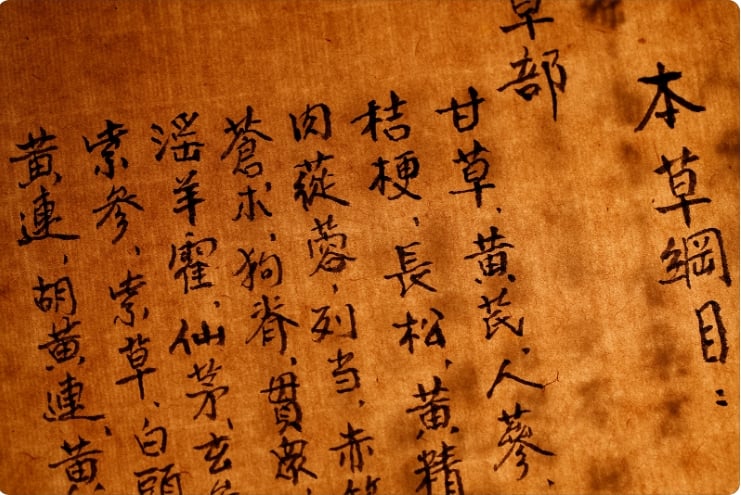
Li Shizhen, renowned for the Compendium of Materia Medica, also authored Study of the Eight Extraordinary Meridians. This work focused on meridians not directly connected to organs, and characterized the Ren and Du meridians as the body’s “midday and midnight axis of life.” His contributions established lasting frameworks for understanding meridian-based practices.
Other significant contributors included Zhang Jingyue, Yang Jizhou, Wang Kentang, and Ye Tianshi, whose collective work advanced both theoretical understanding and practical application of qigong during this flourishing period.
Cross-Cultural Development
Qigong’s influence extended beyond medical contexts into broader cultural and philosophical traditions. Both Confucian and Daoist schools explored and refined qigong practices, each contributing unique perspectives to this evolving tradition.
Neo-Confucian scholars like Wang Yangming developed sophisticated approaches to contemplative practice, while Daoist texts such as Wu Liu Immortal Lineage and Xingming Guizhi synthesized Buddhist and Daoist elements, creating comprehensive cultivation systems that continue to inform contemporary practice.
Core Principles: Accessible Theory for Modern Practice
Despite its theoretical depth, qigong operates through three fundamental mechanisms that are straightforward to understand and apply:
1. Breath Regulation (Tiaoxi)
Controlled breathing techniques enhance metabolism and promote the circulation of vital energy. Deep abdominal breathing serves as the most accessible example, making this principle immediately available to beginners.
2. Guided Movement (Daoyin)
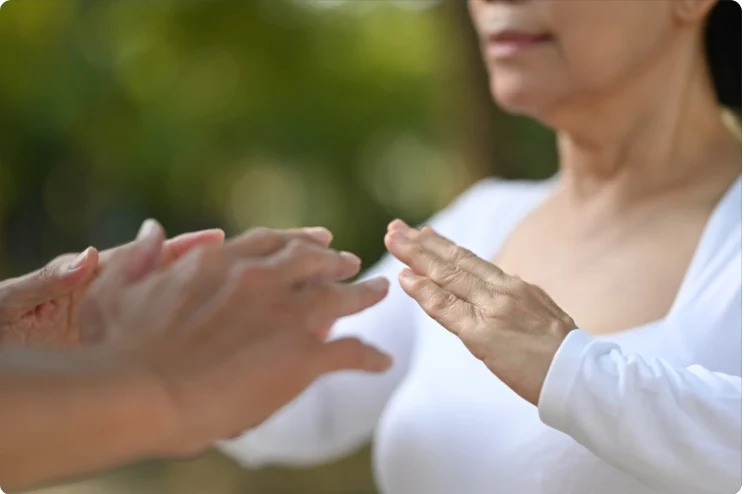
Specific physical movements direct and facilitate the flow of qi and blood throughout the body. These movements help open meridian pathways and improve overall physiological function.
3. Mental Focus (Cunsi)
Concentrated awareness on breathing and movement cultivates mind-body integration—a defining characteristic of authentic qigong practice. This mental dimension distinguishes qigong from purely physical exercise.
Safe and Effective Practice
Individualized Approach
Traditional Chinese medicine recognizes that practice methods should align with individual constitutional patterns:
• Deficiency conditions: Emphasize focusing and nourishing practices
• Excess conditions: Utilize guiding and dispersing techniques
• Heat patterns: Apply cooling breath methods
• Cold patterns: Employ breath retention for warming
Importance of Proper Instruction
Historical medical texts documented that improper practice—particularly excessive force or incorrect methods—could lead to imbalances such as rebellious qi or other adverse effects. Traditional physicians developed remedial approaches, including supportive herbal formulas, to address practice-related complications.
This historical awareness underscores the importance of learning from qualified instructors who can provide appropriate guidance based on individual needs.
Contemporary Relevance
Global Revival and Adoption
While qigong experienced periods of decline, it has undergone significant revival and now enjoys worldwide practice. Modern practitioners across diverse cultural contexts have discovered its benefits for health maintenance and enhancement.
Modern Applications
Despite its ancient origins, qigong’s principles and methods remain remarkably applicable to contemporary health challenges. Whether practiced for:
• Physical fitness improvement
• Health maintenance and disease prevention
• Stress management
• Mind-body-spirit integration
Qigong offers accessible pathways to enhanced wellbeing. Consistent practice can yield lasting benefits for health, vitality, and longevity.
Conclusion
Qigong represents a sophisticated yet accessible approach to health cultivation, refined over thousands of years by physicians, scholars, and practitioners. Its enduring relevance stems from fundamental principles that address universal aspects of human health and wellbeing.
For modern practitioners, qigong offers a time-tested method for cultivating vitality, preventing illness, and promoting longevity—benefits that remain as valuable today as they were in ancient China. With proper instruction and regular practice, this ancient wisdom continues to serve as a practical resource for contemporary wellness.
This article provides educational information about qigong’s historical development and theoretical foundations. Individuals interested in beginning qigong practice should seek qualified instruction to ensure safe and effective learning.
