

As our planet experiences increasingly extreme weather patterns, from record-breaking heatwaves to sudden cold snaps, our bodies face mounting challenges. Recent research reveals a troubling connection between rising temperatures and cardiovascular health risks, making it more important than ever to strengthen our body’s natural adaptive capabilities.
The Growing Threat of Extreme Weather
The United Nations World Meteorological Organization warns that there’s a 98% likelihood Earth will surpass previous temperature records within the next five years. This isn’t just an environmental concern—it’s a direct threat to human health. Medical experts have noted a clear correlation between rising temperatures and increased incidents of sudden cardiac events.

How Heat Affects Your Heart
When temperatures climb above 31.5°C (88.7°F), cardiovascular disease risk jumps by nearly 30%. Even more concerning, each single degree increase in daily temperature raises cardiovascular mortality risk by 3%. Those most vulnerable include older adults and individuals managing chronic health conditions.
The Hidden Dangers: Humidity and Air Quality
Temperature isn’t the only concern. High humidity prevents your body from cooling itself effectively, while low humidity can irritate skin and airways. Add particulate matter like PM2.5 to the mix, especially in hot conditions, and your cardiovascular system faces compounded stress. These combined factors can lead to heat-related illnesses ranging from exhaustion to life-threatening heatstroke.
A Time-Tested Solution: Qigong for Climate Resilience
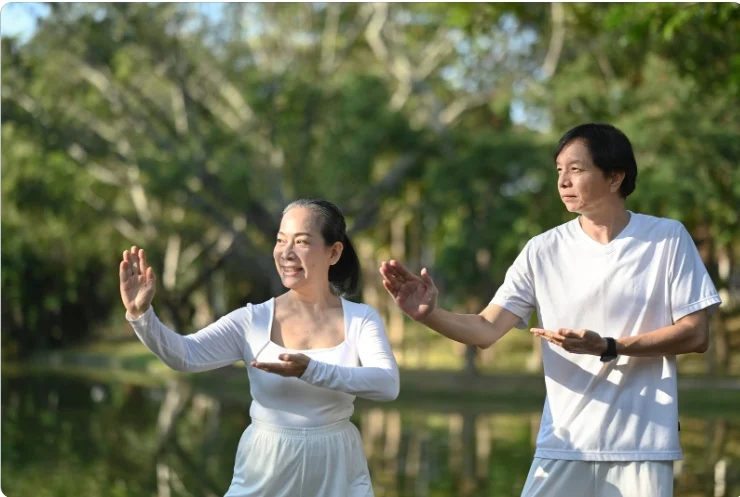
In facing these modern challenges, an ancient practice offers remarkable benefits. Qigong, particularly Bai Yin Qigong, provides a holistic approach to strengthening your body’s ability to adapt to environmental stressors.
What Makes Qigong Effective?
This traditional wellness practice works by harmonizing your body’s internal systems through coordinated breathing and gentle movement. The benefits extend beyond simple exercise:
Temperature Regulation
Through controlled, deep breathing and flowing movements, Qigong enhances lung function and helps your body dissipate heat more efficiently. It also supports proper hydration balance, helping you adapt to varying humidity levels.
Cardiovascular Protection
The relaxation and breathing techniques inherent in Qigong naturally lower heart rate and blood pressure. In environments with high temperatures and poor air quality, this practice reduces strain on your cardiovascular system—potentially lowering sudden cardiac risk.
Whole-Body Benefits
Regular practice teaches you to control your breathing rhythm, which helps calm your nervous system and reduce fatigue. You’ll also notice improved flexibility and joint mobility, with positive effects on common issues like back discomfort.
Getting Started with Qigong
If you’re ready to build your climate resilience through Qigong, the HarmonyQi Stress Relief Technique offers an ideal entry point. This beginner-friendly approach covers fundamental movements and breathing techniques designed to address common health concerns related to aging and stress.

Experience It Yourself
We’re currently offering a free trial lesson to introduce more people to Qigong’s transformative benefits. The introductory course and HarmonyQi Stress Relief Technique are specifically designed to help you regulate your physical and mental wellbeing while improving your quality of life.
Take Action Today
Climate change presents unprecedented health challenges, but you don’t have to face them unprepared. By incorporating Qigong into your daily routine, you can enhance your body’s natural regulatory capacity and build resilience against extreme weather conditions.
Don’t wait to start protecting your health. Sign up for our free trial lesson and discover how Qigong can become your trusted partner in navigating our changing climate.
Ready to begin your journey? Join our upcoming free trial lesson and take the first step toward greater health resilience.
