

Welcome to Bai Yin E-Lectures Hall! This is where ancient wisdom meets modern insight—a space devoted to expanding our understanding of self-care, holistic well-being, and the principles of purposeful living. I am Master Bai Yin and today, I will share key insights into the health-preserving principles of Traditional Chinese Medicine.
The Importance of Traditional Chinese Medicine
In my classes, many students come to understand the rich depth of Chinese culture and Traditional Chinese Medicine. Today’s lecture will focus on the Yellow Emperor’s Classic of Internal Medicine, highlighting the importance of our body’s organs, the connection between the seasons, and how seasonal changes can influence health and disease.
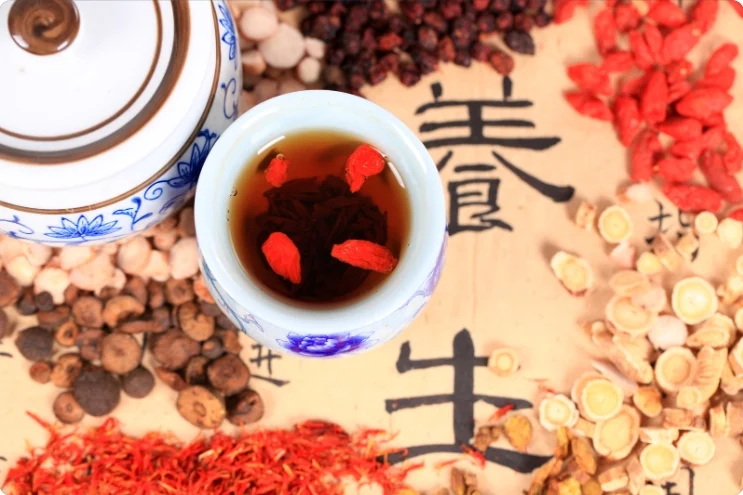
The connection between the five sense organs and five internal organs
In Traditional Chinese Medicine, different parts of the body are linked to the five internal organs. For example, if the liver isn’t functioning well, it can cause tightness or stiffness in the neck.
Symptoms of poor liver function
When the air is dry or unbalanced, it often leads to tightness in the neck. Persistent neck pain and headaches may indicate poor liver function. Recognising these symptoms is crucial, as addressing them promptly can help restore balance and prevent further discomfort.
The connection between the chest and neck
Chest and neck tightness are often linked. Discomfort in the chest is caused by a lack of energy in the ‘Heart Meridian’, which runs from the armpit. Even without a serious diagnosis, this imbalance can lead to feelings of depression. Traditional Chinese Medicine, including pulse diagnosis and the Five Elements theory, can help correct this imbalance.
The link between the shoulders and lungs
Shoulder and neck pain can result from qi stagnation. One student experienced both shoulder pain and a cough with phlegm. I guided the student through specific breathing exercises and Chinese medicine to help relieve their symptoms.
The association between kidney health and waist
Weak kidneys can cause weakness in the waist and bones, leading to a larger abdomen. After three to six months of practice, students may notice a flatter abdomen as their kidney energy improves, resulting in a more toned and attractive body shape.
The relevance between spleen, stomach function, and spinal health
Poor spleen and stomach function, particularly in diabetics, can lead to weakness in the spine. It's important to share this with those experiencing neck discomfort or poor posture. Additionally, the decline in liver energy can also contribute to these issues.
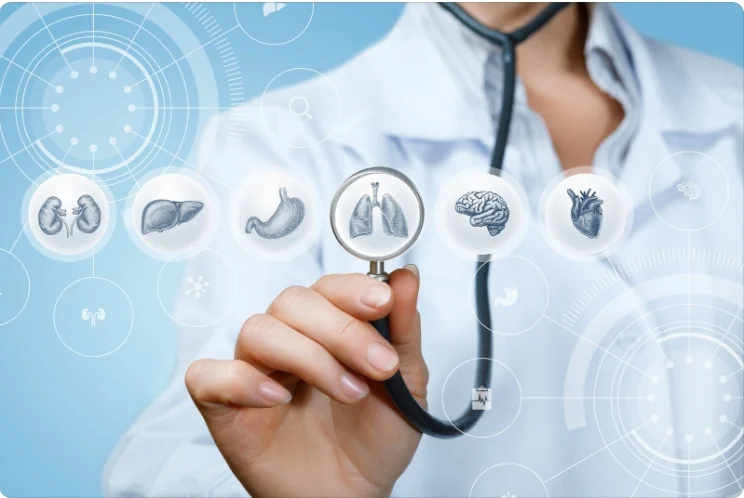
The functions and regulation of the five internal organs
In this lecture, we focused on the importance of taking care of our bodies and explored five key areas related to the health of our internal organs. We also discussed the differences between Chinese and Western medicine in their understanding of the heart and other organs.
Understanding the functions of internal organs
In this discussion, we explored the functions of the body’s organs, including circulation, temperature regulation, nerve function, digestion, respiration, immune defence, and detoxification. We also highlighted the kidneys’ key roles in the urinary and reproductive systems, as well as detoxification. Additionally, we discussed the liver’s crucial role in blood production, mood regulation, and movement.
Kidney function and its role in health and wellness
We discussed how the kidneys are linked to the urinary, reproductive, and detoxification systems, and the liver's roles in blood production, mood, movement, and detoxification. In Traditional Chinese Medicine, kidney health involves all of these functions, so kidney energy deficiency should not be confused with kidney failure. Kidney problems in Traditional Chinese Medicine often show as pain or weakness in the waist or lower abdomen.
Lungs and Respiratory Health: A Foundation of Well-Being
The words "waist" and "kidney" can have different meanings in various dialects, so it’s important to understand these differences. To improve our quality of life, we should combine both Chinese and Western medicine. Next, we’ll discuss the importance of lung health and the role of breathing exercises, using the story of Hua Tuo and the tiger to highlight the significance of strong lung function.

Summary
I hope this article has provided you with valuable insights into the connection between Traditional Chinese Medicine and the health of the body's organs. For a deeper understanding, you're welcome to explore this topic further and listen to the teacher's in-depth and easy-to-understand explanation.
