

What Is a Cold-Damp Constitution?
Hello everyone, I'm Master Bai Yin. Today, let's discuss a very common issue—what TCM practitioners often refer to as a ""cold-damp constitution"" or ""excess water retention"" in the body. Many people who visit TCM doctors have likely heard this diagnosis. Before learning qigong, you might have relied on acupuncture or herbal medicine for relief.
However, after practicing EnerQi Dayan (大雁功), you can gradually activate your body's self-healing abilities. So, what exactly is a cold-damp constitution? What are its symptoms? And how can qigong help improve it?
Understanding "Phlegm, Fluids, Water, and Dampness"
In TCM theory, the same constitutional imbalance can manifest in different stages over time. For a cold-damp constitution, these stages are:
- Phlegm (痰) — Thick, sticky mucus
- Fluids (饮) — Thin, stagnant fluids
- Water (水) — Excess water retention
- Dampness (湿) — Deep-seated, pervasive moisture
Let's check if you have any of these symptoms:
Symptoms of a Cold-Damp Constitution
If you have 2-3 of these symptoms, you likely have a phlegm-damp constitution.
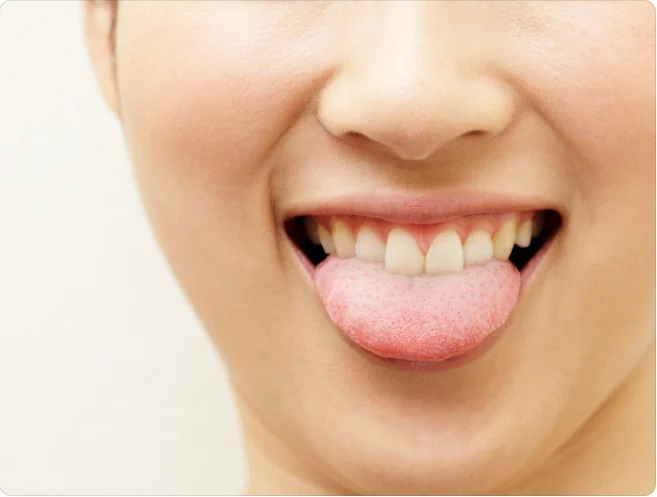
The first symptom is frequent bloating and fullness—feeling full after eating just a little. Food seems unappetizing and hard to swallow unless heavily seasoned. Some people force themselves to eat for nutrition but end up feeling even more uncomfortably full after a few bites.
The second symptom is sticky stools. Residue sticks to the toilet bowl after flushing, requiring extra cleaning. This indicates excess dampness in your body, unlike healthy stools which are well-formed and flush cleanly.
The third symptom involves your tongue having a white or yellow coating with a grooved texture. In severe cases, the surface looks ridged, bumpy, or even greasy, which means the coating is very serious.
Besides the thick tongue coating, there are also headaches and heavy head sensations. This creates a suffocating, pressing sensation—as if a soaked towel is wrapped around your forehead, or an invisible "golden headband" (like Sun Wukong's curse!) tightens around your head. Some people describe it as carrying a lead helmet—your skull feels unnaturally weighted.
Next is morning fatigue and afternoon energy crashes. Normal people wake up in the morning feeling refreshed, yet people with a dampness constitution wake up feeling fatigued, become tired after lunch, and feel very sleepy after consuming sweet foods and carbohydrates.
Other symptoms also include dry mouth and bitter taste, skin eczema, clogged pores, seborrheic dermatitis, belching (frequent burping), strong and foul-smelling flatulence, heavy or sluggish body feeling, edema or facial puffiness, strong body odor (pungent sweat), excessive phlegm, and nasal discharge.
If you're experiencing several of these symptoms, it indeed indicates that your body constitution leans toward dampness-cold. Don't worry too much—this is just a temporary condition that can fully improve through practicing qigong.
Causes of a Cold-Damp Constitution
So, why does this type of constitution occur?
The reasons boil down to four key factors: environment, diet, lifestyle habits, and mental state.
1. Environment
Living in tropical or highly humid regions can predispose the body to dampness-cold accumulation.
2. Diet
Excessive consumption of fruits and heavily spiced, greasy, or pungent foods.
3. Lifestyle Habits
A sedentary routine, prolonged sitting, and overreliance on air conditioning.
4. Mental StatE
Chronic work stress and overwhelming daily trivial chores.
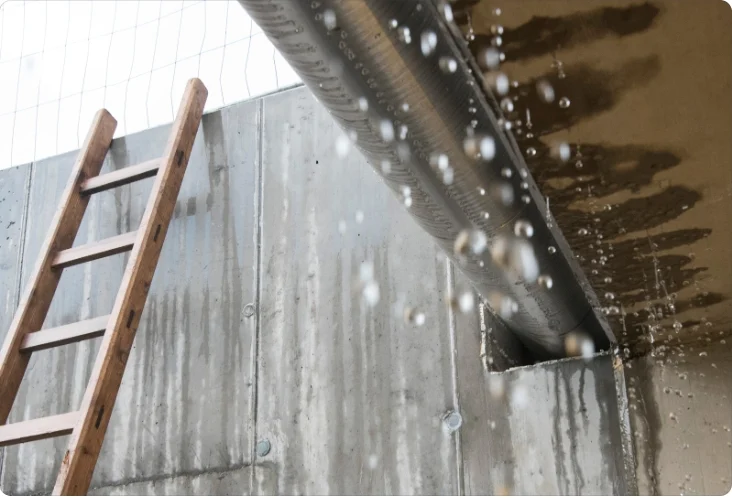
Environment — Tropical humid climates easily cause cold-damp constitution (e.g., Taiwan, Malaysia, Singapore), particularly for those living in southern regions. Like me, I was born and brought up in the northern region, so I find it hard to adapt to the humidity and dampness in the south. Even among people from the same region, some are prone to allergies and have cold-damp constitution.
Diet — Consuming too much fruit, spicy/oily foods, raw/cold foods, sweets, and processed foods can cause cold-damp constitution. Heavily seasoned food is difficult to digest and thus remains in the body. While raw and plant-based diets are often promoted as healthy, they may not suit everyone—especially those with dampness-prone or phlegm-dominant constitutions. Raw/cold foods may overload your body system. Modern diets high in refined sweets and additives further make it harder to eliminate dampness inside the body.
Our daily routines play a huge role in dampness accumulation. Lack of movement — sitting for long hours slows blood circulation and weakens metabolic function, allowing dampness to stagnate. Overuse of air conditioning — constant exposure to cold drafts chills the joints and muscles, trapping moisture and impairing the body's ability to expel excess fluids. Barefoot habits — walking barefoot (especially on cold floors) allows cold to invade through the feet, making it easier for dampness to take root.
Modern life bombards us with constant pressure—work deadlines, family responsibilities, social tensions, and future uncertainties. These unrelenting worries keep our nervous system in a state of perpetual tension. Chronic stress weakens the metabolism and digestive system, impairing their ability to process fluids and leading to internal dampness.
How EnerQi Dayan Helps Eliminate Dampness
Now that you understand the symptoms and root causes, can you identify if this constitution resonates with you?
While a damp-cold constitution may feel burdensome, the good news is that consistent practice of EnerQi Dayan can gradually improve and relieve it.
What changes can you expect from practice?
The Beginner Stage: Expelling "Phlegm"
When you first start practicing EnerQi Dayan Beginner, you'll likely experience a noticeable increase in phlegm expulsion—thick, sticky mucus that may come out through coughing and nasal discharge. Your body is finally mobilizing deep-seated phlegm that has accumulated over years of dampness. Some people may wonder why they are producing more phlegm now; in fact, if one does not practice, that phlegm will forever stay trapped inside the body.
As you continue practicing, you'll notice improved digestion and bowel movements become smoother and more regular. Stubborn acne and eczema gradually fade as internal dampness lessens. This phase confirms your dampness is thinning out, breaking down lingering "sludge-like" fluids that caused past stagnation.
Entering the Intermediate Stage: Releasing "Stagnant Water" with the Five Elements Techniques
As you progress to intermediate-level practice, you may experience profuse sweating, frequent burping, diarrhea, and other symptoms. Your sweat may feel unusually sticky, signaling the expulsion of deep-seated damp-toxins. Don't be frightened—this is only a transitional phase. Let's keep practicing qigong.
The Advanced Stage: Expelling "Pervasive Dampness" with Dayan Advanced Techniques
When you reach advanced-level practice, your body begins purging the most stubborn, deeply rooted "pervasive dampness." You may experience red rashes or bruise-like marks. These are trapped "blood toxins" surfacing—often along meridians where dampness stagnated for years. Again, do not be frightened.
The process is similar to eliminating long-accumulated pervasive dampness from our body little by little. The EnerQi Dayan Techniques were designed to deliberately mobilize synovial fluid and meridian pathways around bones and joints—areas where dampness hides stubbornly—pushing dampness from every corner inside the body toward the surface for elimination. At this advanced stage, practitioners often experience unexpected relief from long-standing aches. Indeed, this profound dampness-purging process requires cultivated internal strength, which is why its full effects manifest at the advanced level.

Important Observations During Practice
A practitioner needs to observe and take note of body changes during practice at all times. If there is an increase in appetite, avoid overeating to prevent weight gain. If you experience strong-smelling or sticky sweat, don't be afraid—it is due to dampness exodus. Smooth bowel movements are a good sign. Continue your practice and observe at all times.
During the process, it is important to be patient and persevering, giving yourself sufficient time. Don't obsess over how much phlegm you cough up or sweat you produce.
Instead, focus on the movements and let the cultivated internal strength slowly infuse into every corner of your body, gradually pushing out the pervasive dampness little by little.
Supporting Lifestyle Changes
Besides frequent practice, dietary adjustments are equally critical. Eat light and easy-to-digest food, avoiding heavily seasoned, spicy, and oily foods. Consume fewer sweets and processed foods to prevent the body from accumulating dampness. Make sure your lifestyle routine is well-balanced with good quality sleep, relaxation, and work (avoid being overloaded with work).
After consistent practice and lifestyle adjustments, your body will begin to reveal unmistakable signs of liberation from dampness. These changes go beyond symptom relief—they reflect a fundamental upgrade in your vitality. You will experience physical lightness, feel full of energy, and your skin will develop a natural glow.
Conclusion
The journey to transform a damp-cold constitution is not a sprint, but a steady climb—one that rewards patience, persistence, and mindful self-care. It is my hope that everybody can emerge from this constitution as soon as possible, face the sun, and embrace a vibrant life again!"
